

An In Depth Look at the Methylene Chloride Method of Decaf Coffee
Most coffee lovers know there’s more than one way to remove caffeine from a coffee bean. But not all methods are created equal. Among the lesser known and more controversial techniques is the Methylene Chloride method, sometimes called the MC process.
At Frequent Coffee, we believe in transparency and sustainability, which is why we do not offer or recommend decaf coffee produced using this method. In this post, we’ll break down what the Methylene Chloride process is, how it works, and why we’ve made a conscious decision to avoid it in favor of cleaner, more natural alternatives.
This in depth look is designed to inform you, the coffee drinker, so you can make empowered choices about what goes into your cup.
What Is the Methylene Chloride Decaf Method?
The Methylene Chloride method is a solvent based decaffeination process that uses methylene chloride, a chemical compound also used in industrial applications like paint stripping and degreasing. In coffee processing, it is used in trace amounts to selectively remove caffeine from green coffee beans.
Despite sounding harsh, the process is regulated and approved for food use in small doses. Still, it remains controversial due to its chemical origins and association with industrial toxicity.
How the Process Works
-
Steam the Green Beans
Coffee beans are first steamed to open their pores and prepare them for caffeine extraction. -
Apply Methylene Chloride
The beans are soaked in a solution containing methylene chloride, which bonds with the caffeine molecules and removes them from the bean structure. -
Rinse and Dry
The beans are then thoroughly rinsed and dried to remove any residual solvent before being roasted and packaged.
The process removes approximately 97 to 99 percent of the caffeine. Regulatory agencies allow methylene chloride residues in coffee up to a limit of 10 parts per million, but public concern persists even when trace amounts fall well below that threshold.
Why We Do Not Use or Recommend It
At Frequent Coffee, we have made a deliberate choice to avoid decaffeination methods that rely on synthetic chemical solvents. Our reasons are grounded in three core values:
- Transparency: Most consumers are unaware when their coffee has been treated with methylene chloride. We believe in clear labeling and full visibility into how your coffee is sourced and processed.
- Health Consciousness: While trace levels are deemed safe by regulatory standards, studies on long term exposure to methylene chloride have raised health concerns. We choose not to take that risk, even in small amounts.
- Flavor Integrity: The MC process can strip away delicate flavor notes and aromatics, often resulting in a flatter, less vibrant cup compared to natural decaf methods.
How It Compares to Other Methods
| Method | Solvent | Flavor Impact | Chemical Free? | Used By Frequent Coffee? |
|---|---|---|---|---|
| Methylene Chloride | Methylene Chloride (synthetic) | High | No | No |
| Water Method | None | Moderate | Yes | Yes |
| Sugarcane Process | Ethyl Acetate (natural) | Low | Mostly | Yes |
The differences are clear. Both the Sugarcane and Water methods preserve more of the bean’s character while avoiding synthetic chemicals entirely. That is why those are the only two methods we use in our lineup.
Consumer Confusion and Labeling Issues
One of the biggest problems with methylene chloride decaf is the lack of transparency. Coffee labeled simply as decaffeinated rarely specifies which method was used. Unless explicitly labeled as Mountain or Swiss Water Process or Sugarcane Process, it is often safe to assume that a cheaper solvent method like MC was used.
We encourage our customers to always ask roasters or brands about their decaf methods. And for complete peace of mind, choose companies that actively disclose this information upfront.
Does It Taste Different?
Yes. Most tasters describe methylene chloride decaf as flatter, thinner, and often with muted aroma. The reason is that chemical solvents do not just remove caffeine, they can also dissolve aromatic compounds and sugars that contribute to complexity and depth.
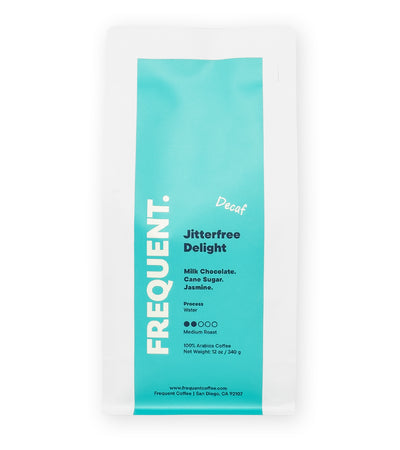
In contrast, our Sidekick Sugarcane Decaf and Jitterfree Delight Water Decaf processed options retain more sweetness, body, and a balanced finish. If you are looking to enjoy decaf without sacrificing flavor, solvent free is the way to go.
Our Commitment to Clean Decaf
At Frequent Coffee, every decaf we offer is either processed using the Water Method or the Sugarcane Process. We do not and will never use methylene chloride processed beans, because we believe in better for both your health and your palate.
We are here to raise the bar on decaf and offer an experience that is just as satisfying as any full caffeine cup.
Is Methylene Chloride Really Dangerous?
The FDA currently allows methylene chloride to be used in decaf coffee as long as residual amounts do not exceed 10 parts per million. However, advocacy groups and health researchers have raised concerns that even low levels of exposure may not be risk free, especially with long term consumption. Methylene chloride has been linked to liver toxicity, central nervous system effects, and is classified as a potential carcinogen in high doses.
Even though the risk from decaf coffee is considered low, we believe that consumer safety should always error on the side of caution. This is especially true when safer, more natural alternatives exist that achieve the same result, removing caffeine without compromising health or quality.
Frequently Asked Questions
Can I tell if my decaf uses the MC method?
Not easily. Unless the brand states the method on the label or website, it can be difficult to know. If the decaf is not labeled Swiss Water or Mountain Water or Sugarcane Process, it is often safe to assume the MC method was used.
Is MC decaf cheaper?
Yes. Solvent based decaf is usually less expensive for manufacturers, which is why it is commonly found in grocery store brands and commercial coffee blends.
Does MC decaf violate organic standards?
Yes. Decaf processed with methylene chloride cannot be certified organic, as the use of synthetic solvents is prohibited under USDA organic regulations.
Choosing Better Decaf
We believe decaf should be every bit as enjoyable and intentional as full caf. Whether you choose it for health reasons, lifestyle, or simply for better sleep, the method matters. Our decaf offerings are carefully selected for flavor, transparency, and sustainability—always without synthetic solvents.
Next time you are in the market for decaf, look for process transparency. Ask your roaster. Check the label. And if you want full confidence in your cup, try our naturally processed Sidekick Decaf, our signature Sugarcane option with no compromise on taste or ethics.
Have questions about decaf processing? Drop us a line or tag us on Instagram at @frequent.coffee. We are always here to talk coffee.