
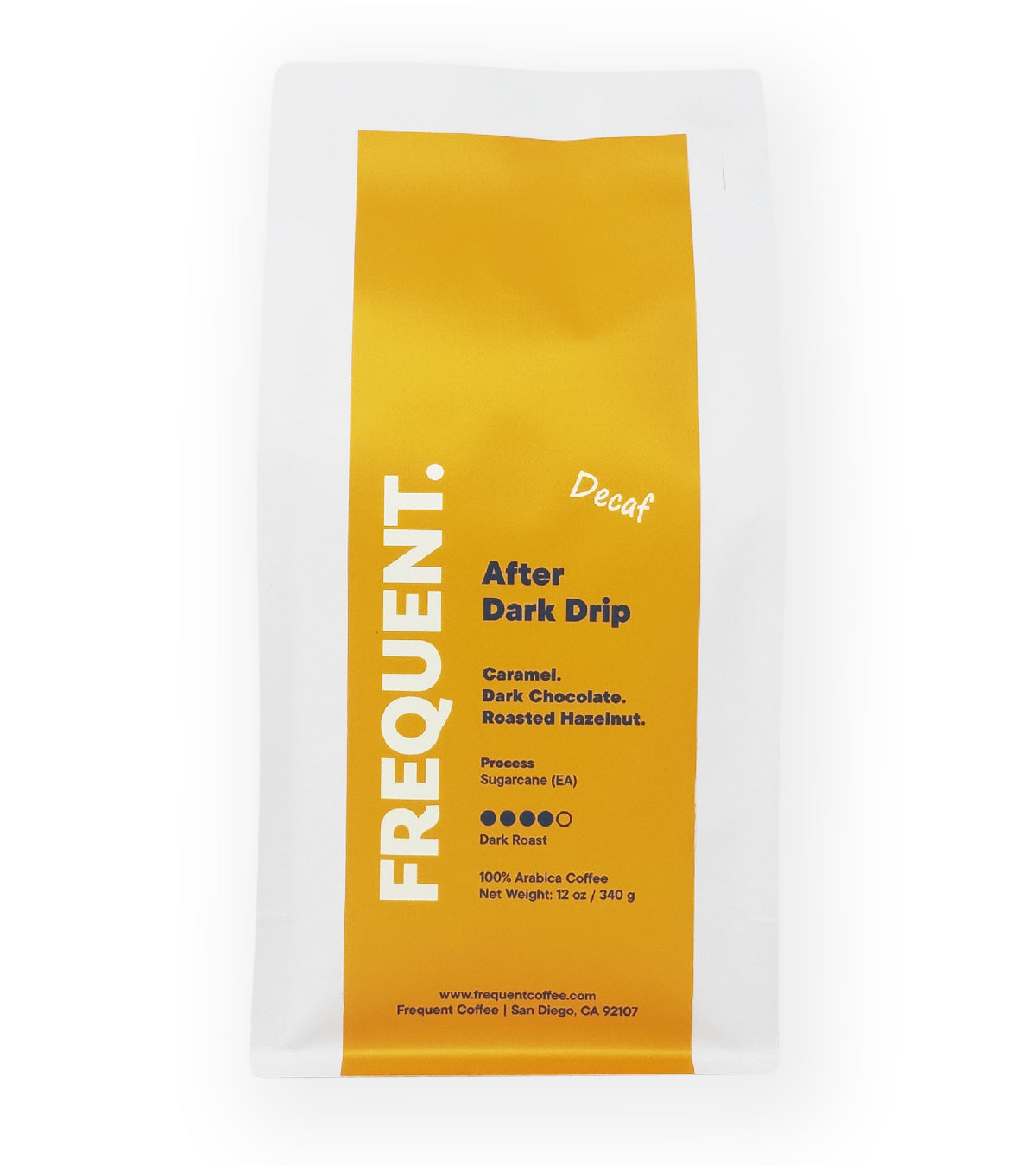
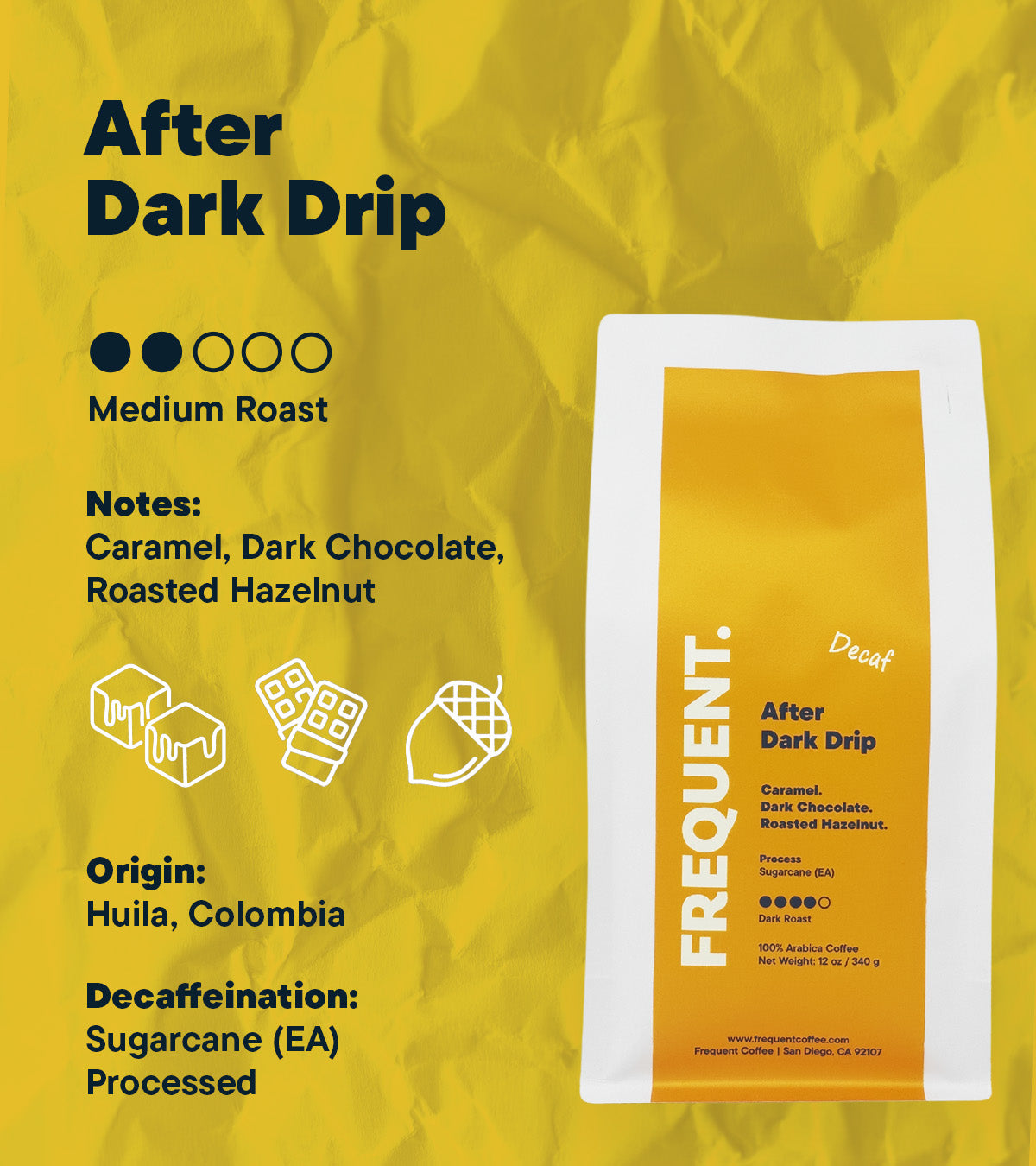
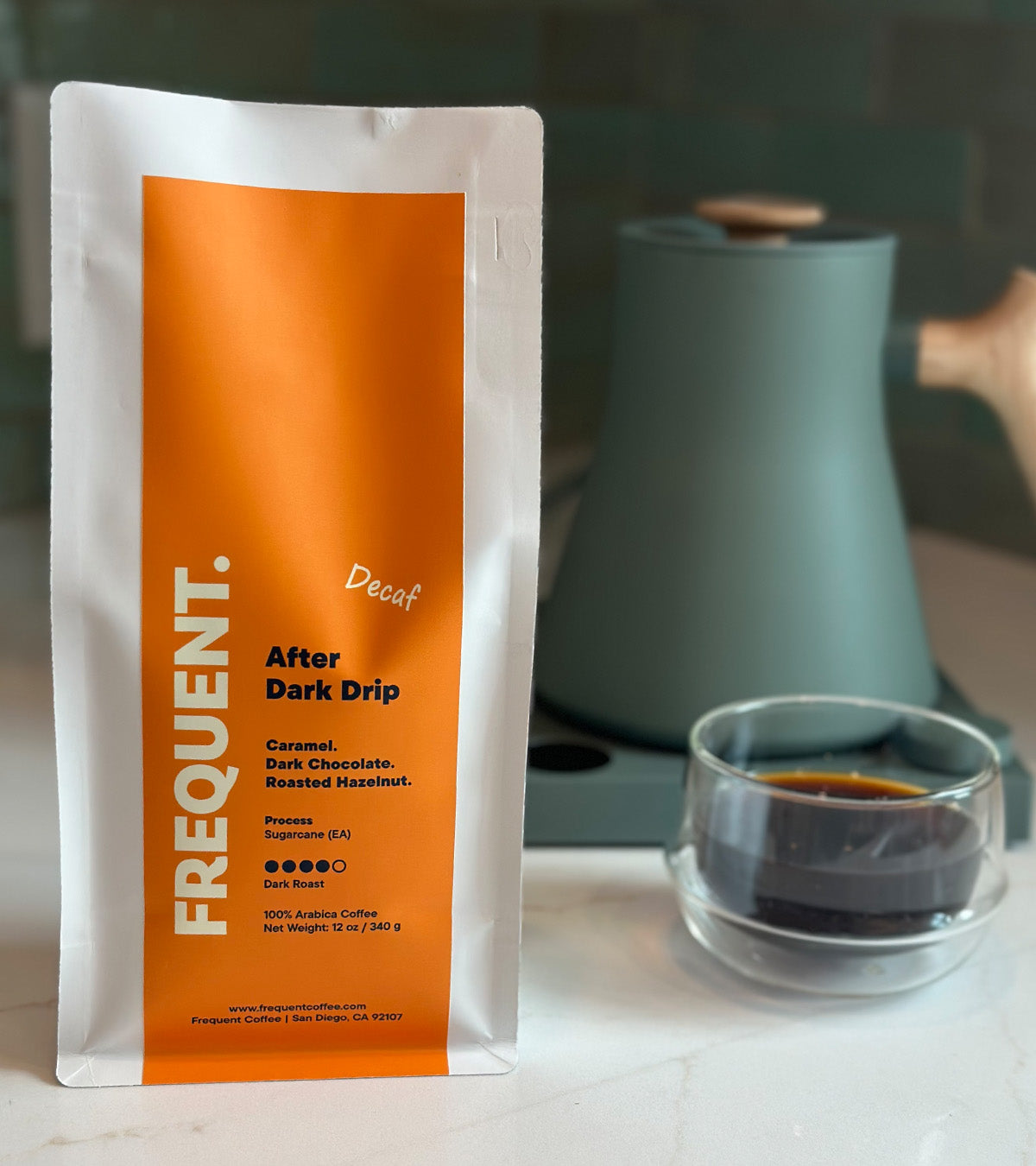
Customers praised this dark roast decaf for retaining rich, full-bodied flavor that rivals regular coffee. Many noted "delicious decaf without sacrificing taste" and excellent espresso quality with "nice body and creme." Some found it too dark, noting "burnt-like essence," preferring lighter roasts. Versatile for pour-over, espresso, and cold brew applications.
Thank you!
CANNOT say enough great things about this dark roast... pulling shots of espresso with this is an absolute joy, and honestly the results are better than most of my full-caff beans from other roasters. 10 out of 10!
Thanks, Parker! We appreciate you.
Our entire office loves this decaf coffee! It's been great for calm afternoons without the buzz. Delivery was super fast too!
Love this decaf....the best I've ever tried!
Delicious decaf coffee without sacrificing taste. I’ll be ordering this again
Thanks, Christina!
I like this coffee
Thank you!
If you generally lean towards lighter roast, don't get this. They have plenty more options that will suit your palate. As a decaf coffee, it's still very well made. The cup doesn't have that classic decaf shortcoming but boy it's DARK. Tried with espresso, I couldn't enjoy the cup even with milk. Hoped flash brewing on v60 will soften the burnt-like essence for me, but no. Last resort is cold brewing, I'm sure that will help me finish the bag.
I enjoy fuller bodied, stronger coffees. Definitely enjoyed this coffee for mid-day espresso/milk drinks as well as after dinner pour over
Thanks, John!
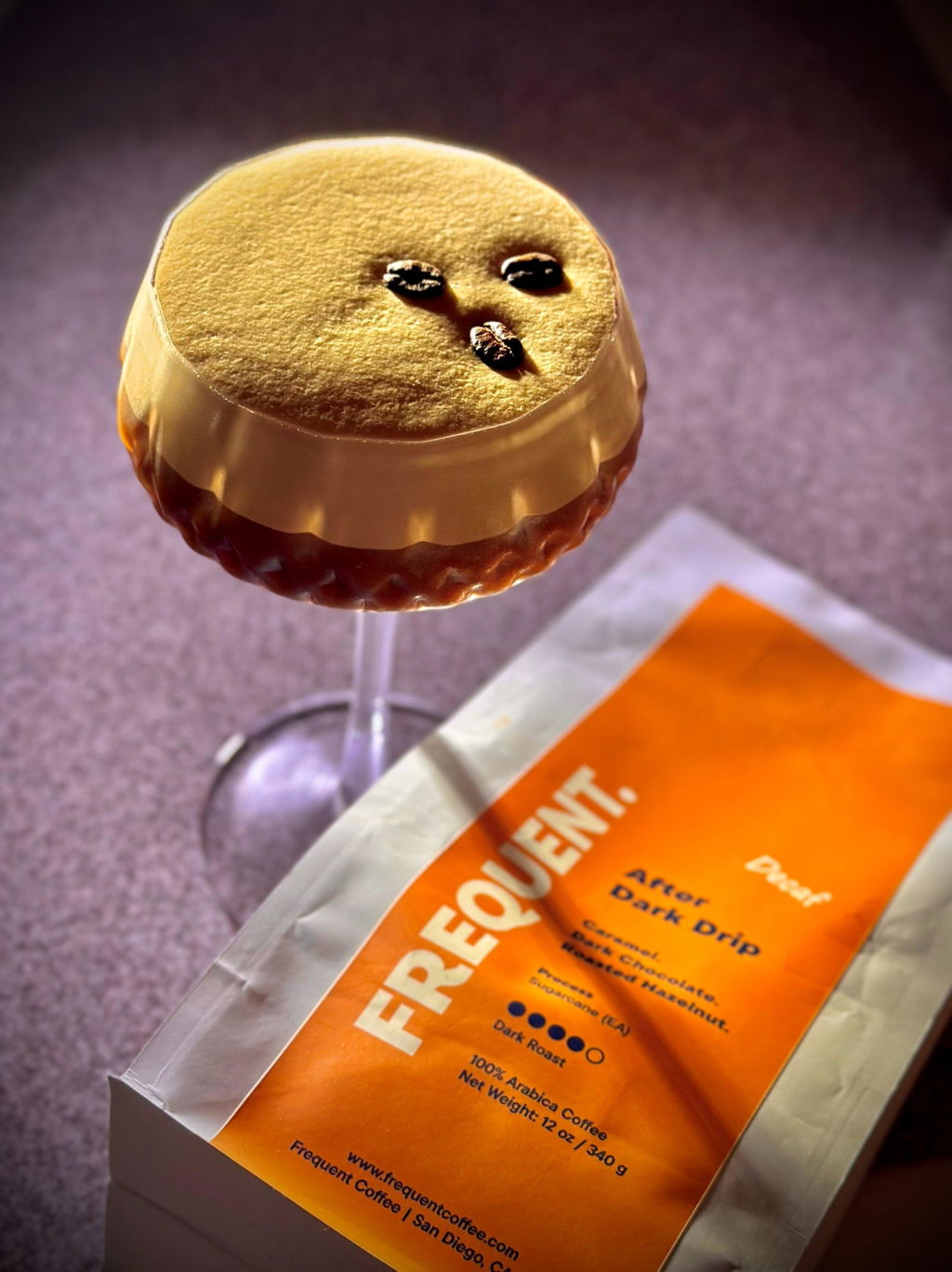
Makes good espresso, nice body and creme
Thanks, Daniel!
I guess I'm an outlier on this coffee, but it's just not for me. I tried pourover and espresso with it, and keep getting a bitterness that reminds me of someone burnt and ashy kinda like cigarettes. I'll keep tinkering, but the only way I can drink this coffee is with milk and sugar. Black is just not enjoyable to me.
Hi Eric, thanks for the feedback and sorry it didn't live up to your expectations. We just reached out to you via email as well.
Very good deep flavor hot or iced. Love it!
Thanks, Diane!
Delicious coffee!! Bold flavor! The good qualities of drinking decaf without giving up the great coffee taste!
Thanks, Diane!
A delicious and rich full body espresso that is well developed but not burnt or ashy in any way. Very rich semi sweet chocolate and caramel full body espresso pulled 17g 3:1 32 seconds. No way of knowing it’s decaf when you taste it. This is a superb dark roast decaf.
Thanks so much for the kind words!
I was waking up slowly (it is decaf, lol) and I thought, 'wow, I made a great cup this morning'. Then, I realized it was my first cup of my first Frequent order. What great coffee!!
Thanks so much, Nik!
Great flavor and well bodied. Really a compliment that you can't tell your drinking decaf. Great morning coffee.
Thanks, Scott!
I love it!!! Even with my supplements mixed in the flavor is exactly what I was hoping for.
Thanks, Judie!
So much better than the decaf you get from any of the major coffee retailers or at the grocery store. Even better than the decaf I have purchased at some of the smaller independent shops too. Frequent Coffee is clearly taking pride in making great decaf. Worth every penny if you want to drink decaf that tastes as good as regular coffee. I look forward to trying their other blends. Thanks for making decaf taste great.
Thanks for the review, David. It means a lot to us!
I can only drink decaf because caffeine triggers my migraines, but I prefer dark, robust, full-bodied coffees. That means I end up drinking decaf Americanos at coffee cafes. I bought a small espresso machine for my home, but quality decaf dark roast beans (especially espresso roast) are difficult to come by.
My mom sent me a link to Frequent coffee. You can imagine my excitement when I discovered they are based in San Diego, and they specialize in decaf! The After Dark Drip is perhaps the best decaf coffee I’ve tasted. I use it with my espresso machine and it retains the full flavours and characteristics of quality caffeinated dark roast coffee, without causing a migraine. Woohoo! Now After Dark Drip is my regular everyday coffee.
Hopefully Frequent develops a decaf espresso roast!
Hi Kara, thank you so much for taking the time to leave such a positive review. We apprciate you!
Tastes like regular coffee
Thank you! We appreciate the support 🙏
My daughter and her friend, both drinkers of select decaf coffee, highly recommend this blend. I’m going to try it myself!
Thanks for your review and support. We really appreciate it!
I really, really like the After Dark Drip decaf coffee! It has a distinct, yummy taste. I have not had decaf coffee that has such a good taste. Usually it is pretty blah. It is so nice to be able to drink decaf and really like the taste.
Thanks for the kind words, Karen!
Delicously complex coffee. Head and shoulders more flavorful than many decafs out there. Recommended.
Thanks, Andy!
I am super impressed with this decaf coffee. I went with the dark roast because I’ve tried light/medium decaf in other brands and they seemed watery in flavor. This roast and flavor is on point!
Thanks for the kind words!
Great as an immersion brew. Has a deep, roasty taste like most dark roasts, but still has some fruity nuances in there.
Thanks, John! We appreciate your feedback.
Well, it is such delicious and satisfying coffee and I feel that I can drink it any time of day or night !
I am so grateful that you offer Decaf and had not tried to make decaf Espresso ever before buying from Frequent Coffee
Great flavor!
I wasn't a fan of decaffeinated before trying Frequent Coffee. This blend is my favorite and allows me to drink more without keeping me up all night.
Stay Social
Common Questions
What does it taste like?
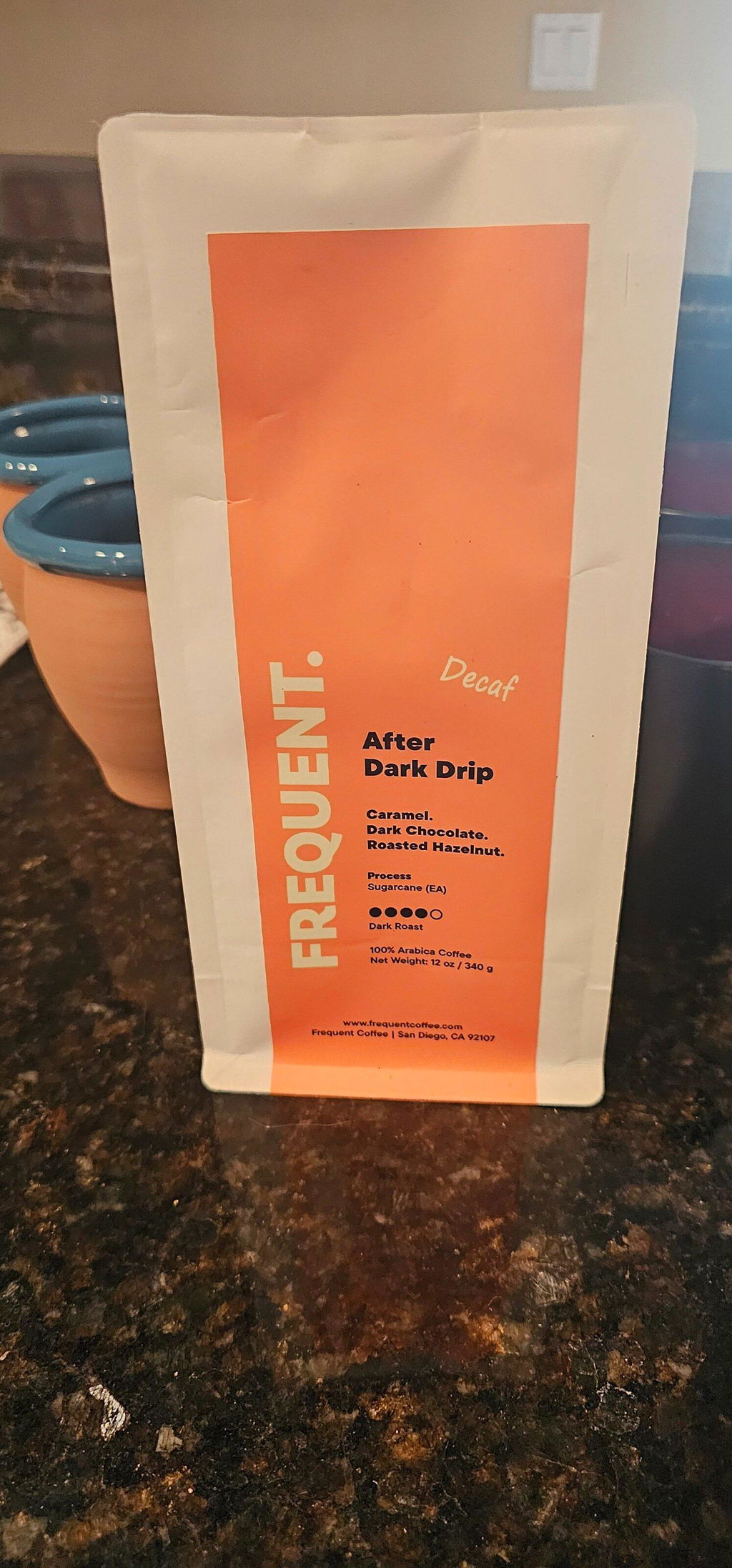
Caramel, dark chocolate, and roasted hazelnut. It is a washed Colombian from Huila taken to a dark roast, so it is rich and full bodied with real sweetness underneath. If your idea of a good cup is bold and chocolatey rather than bright and fruity, this is the one.
Is a dark roast decaf going to taste burnt?
It should not. Dark roast has a bad reputation because a lot of it is roasted dark to hide defects in cheap coffee. This starts as specialty grade Colombian and is roasted dark on purpose, for body and chocolate sweetness, not to cover anything up. That said, it is genuinely dark. If you normally drink light roasts, Sidekick or Jitterfree Delight will suit you better.
Is this good for espresso?
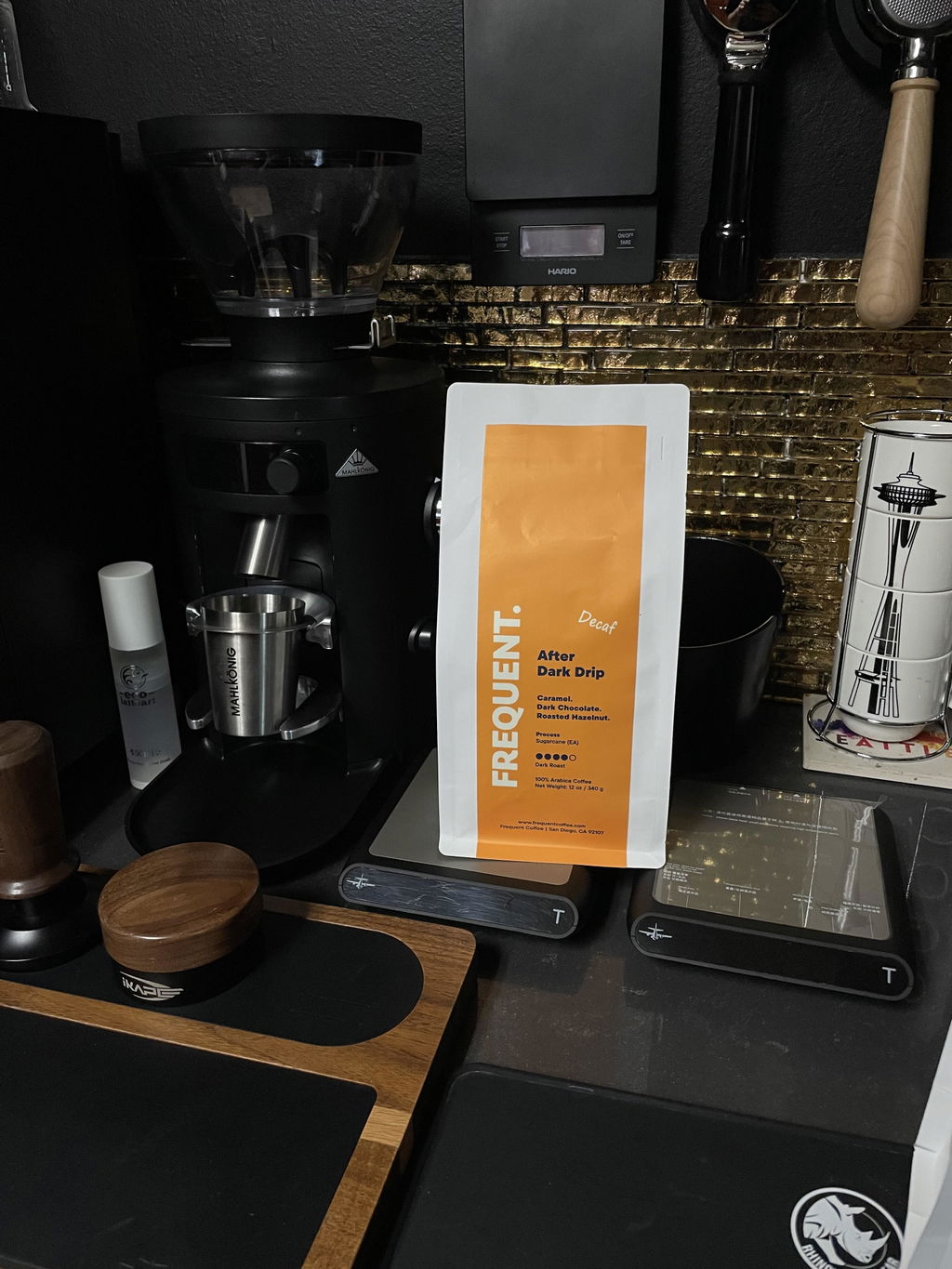
One of the best you will find. Dark roast, full body, deep chocolate and caramel, so it pulls rich shots and holds up in milk. Decaf espresso is hard to find done well, and this is our answer to that. Order whole bean and dial it in on your own grinder, or choose the fine grind if you do not have one. Give it toward the longer end of the resting window before pulling shots, since espresso is less forgiving of carbon dioxide than filter brewing.
What is sugarcane EA decaffeination?
Ethyl acetate is a compound that occurs naturally in fruit. For this process it is derived from fermented sugarcane, which is why it is usually done in Colombia where both the coffee and the cane grow. The green coffee is steamed to open the bean structure, then rinsed with the ethyl acetate solution, which bonds to the caffeine and carries it out. The beans are steamed again to remove any residue, then dried. It is the method that tends to preserve the most sweetness, which is why we use it across most of our range.
How much caffeine is in it?
Sugarcane EA decaf typically leaves roughly 2 to 7mg per 8oz cup, against 80 to 100mg in a standard cup of coffee. Those are typical industry ranges rather than measured values for this batch, and the actual amount varies with dose, grind, and brew method.
How should I brew it?
It shines as espresso. The dark roast and full body give you rich shots that hold up in milk, and good decaf espresso is genuinely hard to find. It is just as good through drip and immersion though. French press, AeroPress, automatic drip, and cold brew all bring out the body and chocolate. Go a step coarser than you would for a full caf coffee. Decaffeination leaves the bean more brittle, so it breaks into more fines at the same grinder setting, and with a dark roast those fines are what tip the cup into bitterness fastest.
How long should I let it rest?
3 to 10 days from the roast date. Freshly roasted coffee releases carbon dioxide for the first several days, which interferes with even extraction. Filter brewing is fine toward the early end of that window. For espresso, wait longer.
What sizes does it come in, and can I subscribe?
12oz and 5lb, whole bean or ground to order in medium, fine, or coarse. The 5lb suits daily drinkers and offices. It is subscription-eligible at 20% off every order, with delivery from every week through every four weeks, and you can pause, skip, or change it whenever you like.
How is this different from your other decafs?
This is the dark roast, the boldest of the everyday lineup and the best of them for espresso. Sidekick is the medium roast, sweeter and fruitier. Jitterfree Delight is Swiss Water processed, with no solvents involved. Our black bag releases are experimental lots in 8oz, including the Red Bourbon that holds Coffee Review's highest score ever given to a decaf.